

WHY?
Lifeline’s initiatives target clean water and energy out of two core convictions, namely: (1) taken together, the absence of access to these two basic resources is the overriding cause of poverty and ill-health in the developing world; and (2) providing affordable access to clean water and energy solutions is, by far, the most cost-effective way of combatting those problems.
Why Water?
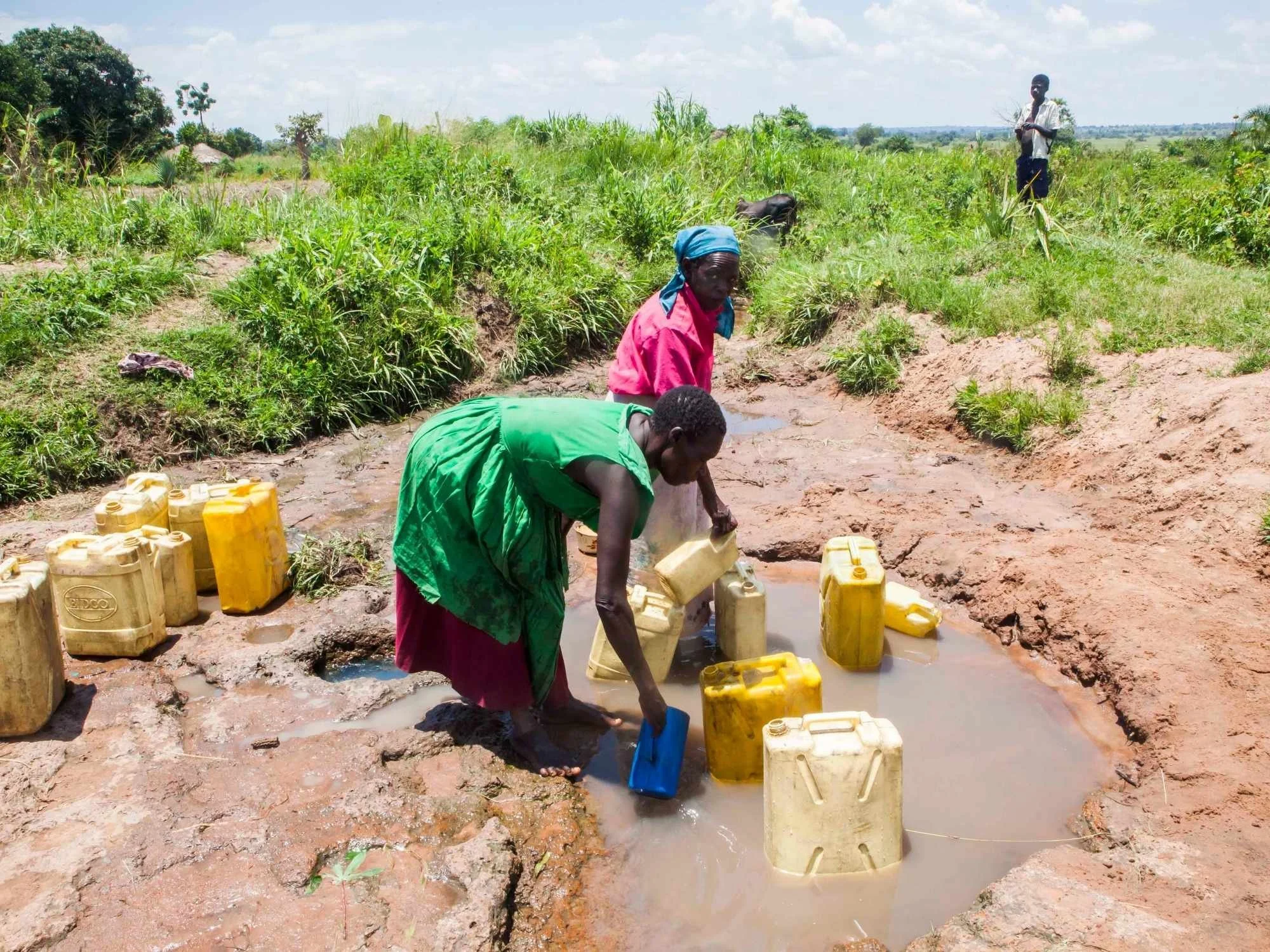
800 million people in Sub-Saharan Africa drink water that is contaminated with e-coli.
Lacking access to a clean water source, they are forced to drink from stagnant pools and/or walk inordinate distances to obtain their water. The health and economic consequences are devastating:
-

Over <b>300,000 children</b> die each year due to water-borne disease
-

<b>Forty billion hours</b> a year are wasted collecting water – a task that falls mainly on women and girls.
-

<b>$78 billion</b> is lost <br/>in annual GDP.
Why Stoves?
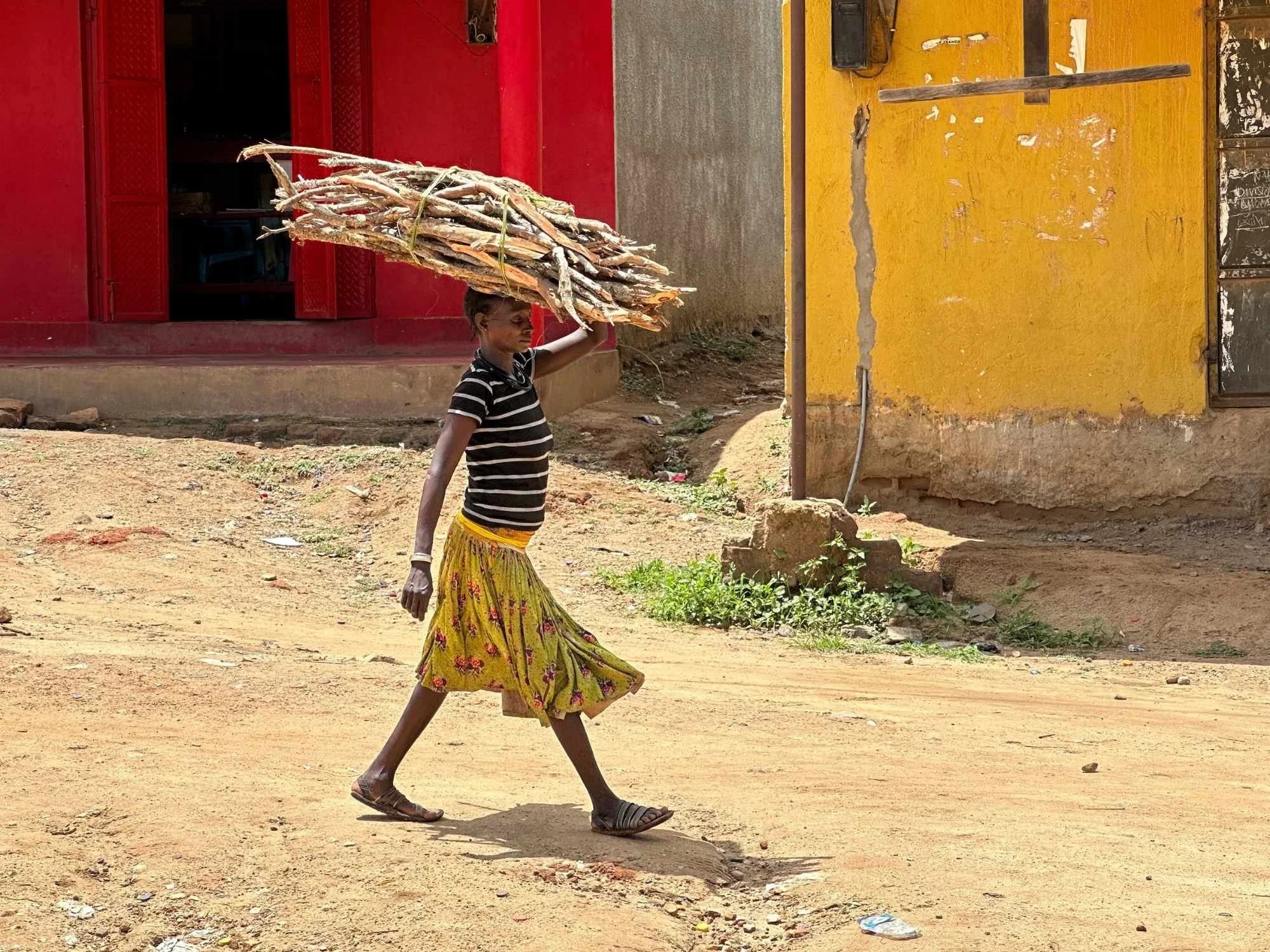
800 million individuals across Sub-Saharan Africa (including 40 million in Uganda) depend on wood and/or charcoal for cooking.
Reliance on these fuels has devastating effects on livelihood, health and the environment
0
Proportion of income urban households spend on charcoal
0
Hours spent by rural families foraging for wood each year
0
Number of children who die each year due to inhalation of toxic indoor smoke
0
Metric Tons of Co2 Released Into the Atmosphere Every Year
0
Portion of Uganda’s forest cover
that is lost each year
A Daunting Challenge for Refugees
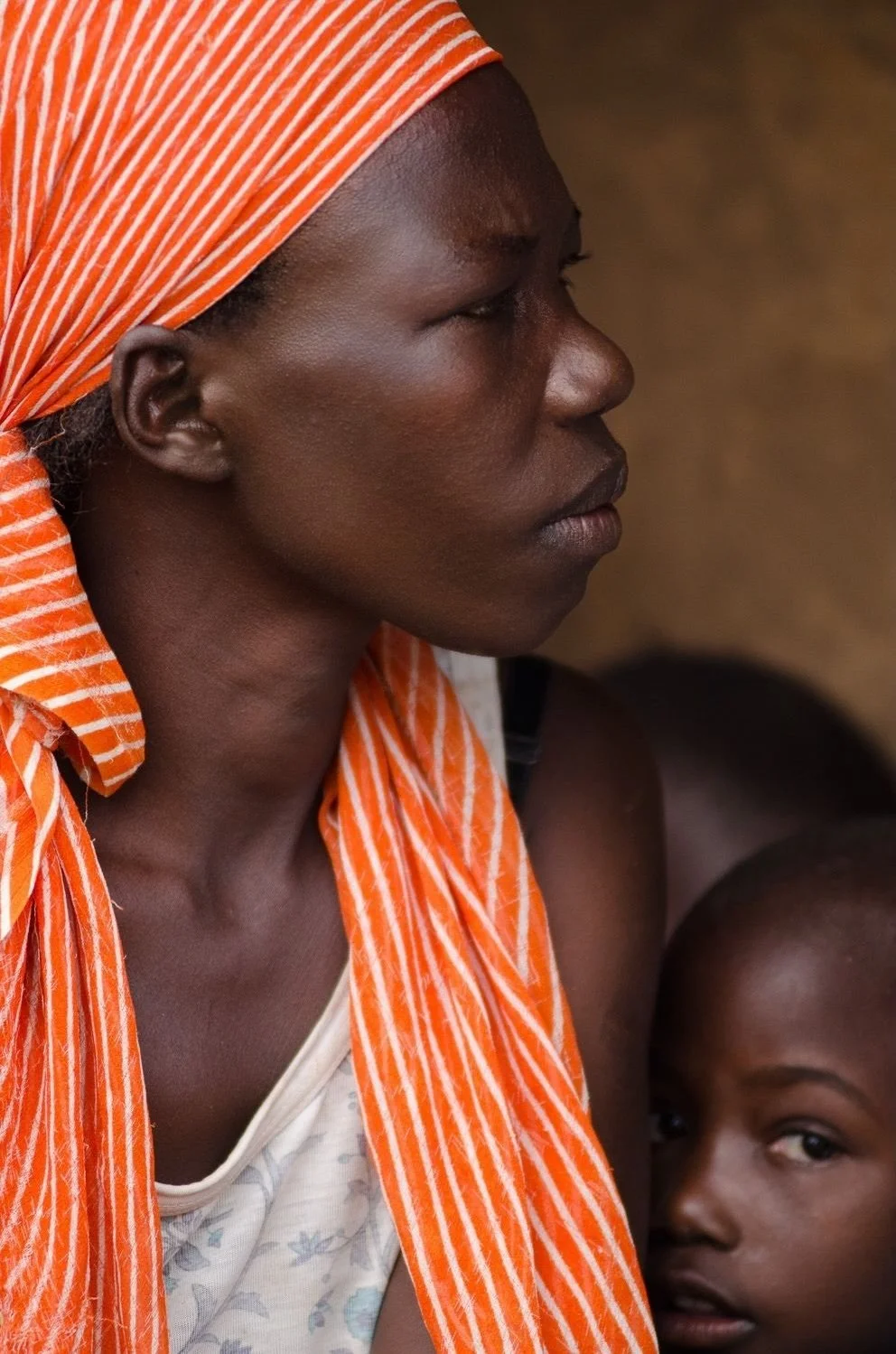
The problems associated with open-fire cooking are especially acute in refugee settings, which are typified by overpopulation, barren landscapes, insecure surroundings and escalating tension with host communities. As the areas around these settings become increasingly deforested, women and girls often end up having to spend countless hours foraging for wood – exposing them to the risk of rape and other forms of violence.