

ENERGY
Lifeline’s Better Energy Initiative seeks to address the crippling reliance of one billion people across Africa on wood-fuel for cooking.
We are helping to solve this crisis through three separate cook-stove programs:
-

Commercial Stoves
-

Humanitarian Stoves
-

Institutional Stoves
Commercial Stoves
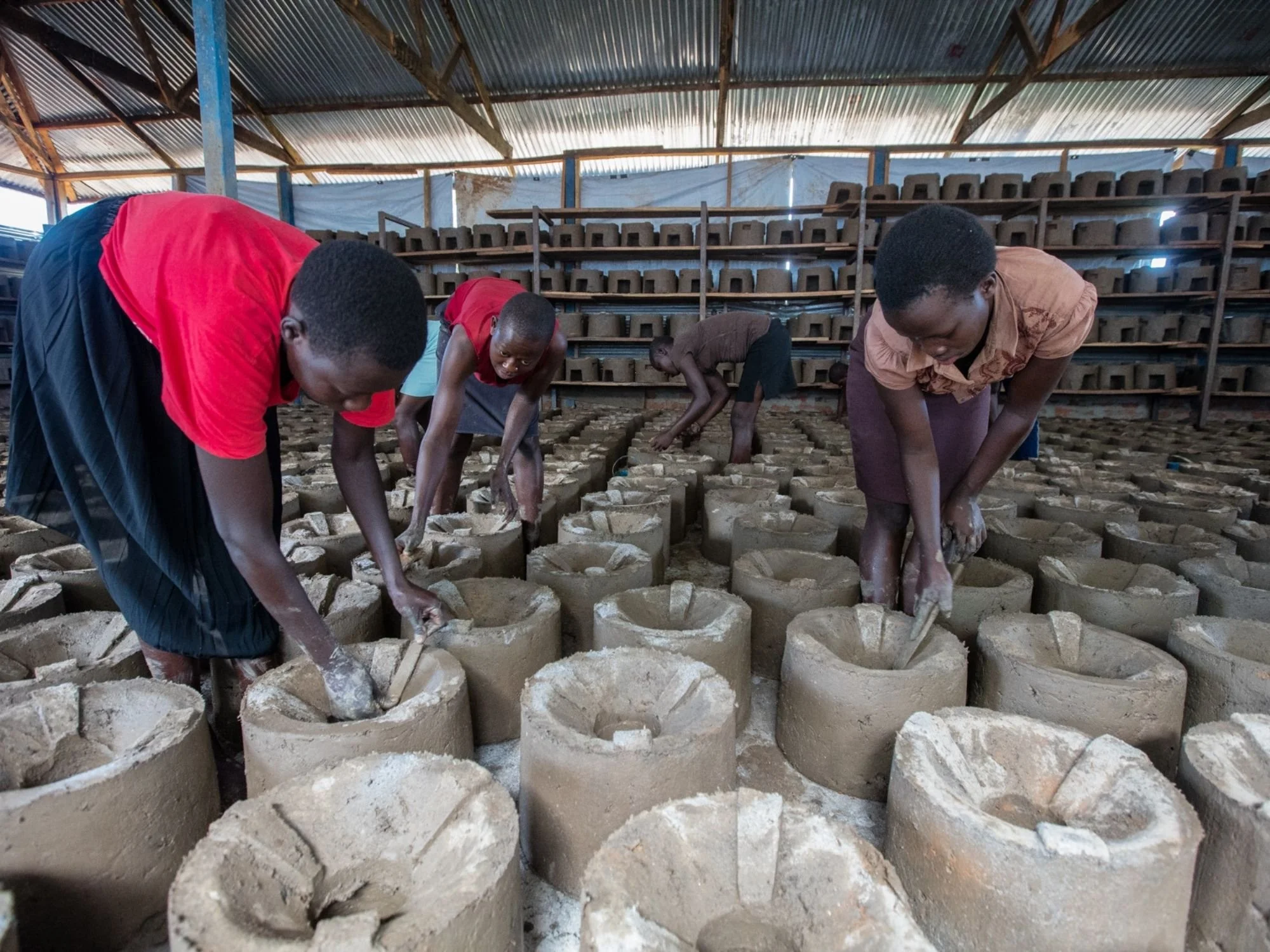
For 18 years, Lifeline has been nurturing commercial markets for fuel efficient stove (“FES”) products that cater to the needs and habits of consumers who cook with wood-fuels.
Employing a human-centered approach, Lifeline has designed and developed a variety of durable FES products that reduce the amount of fuel needed for cooking by over 40% and that everyone can afford.
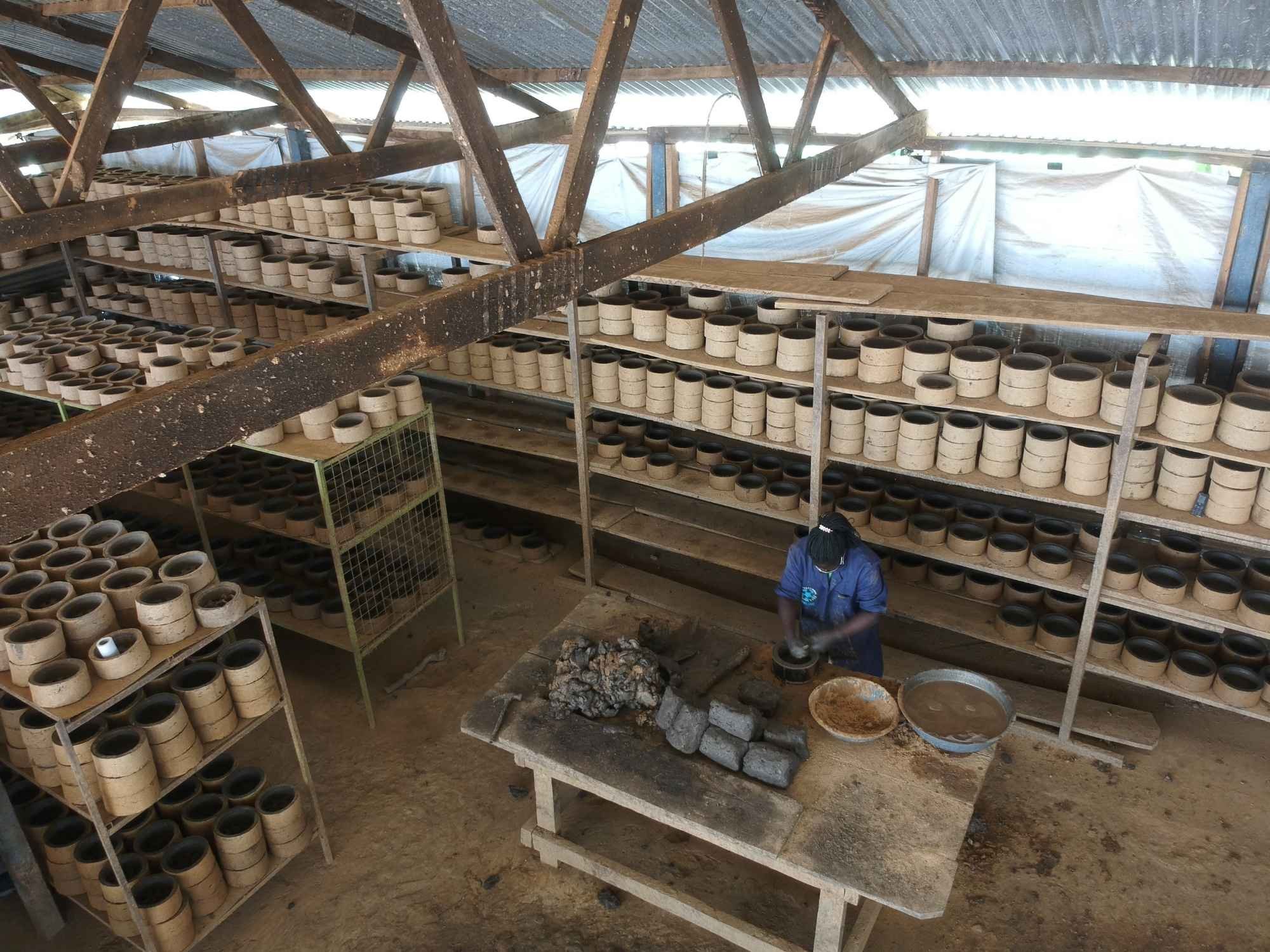
In Uganda, Lifeline owns and operates a stove factory that has produced over 550,000 fuel saving stoves, profoundly improving the health and livelihood of its customers:

0+
Families have saved $150 per year (or 7% of their income) in charcoal costs.

0+
Rural households have saved 300 hours per year in time collecting wood.

0+
People have enjoyed better health due to reduced exposure to toxic smoke.
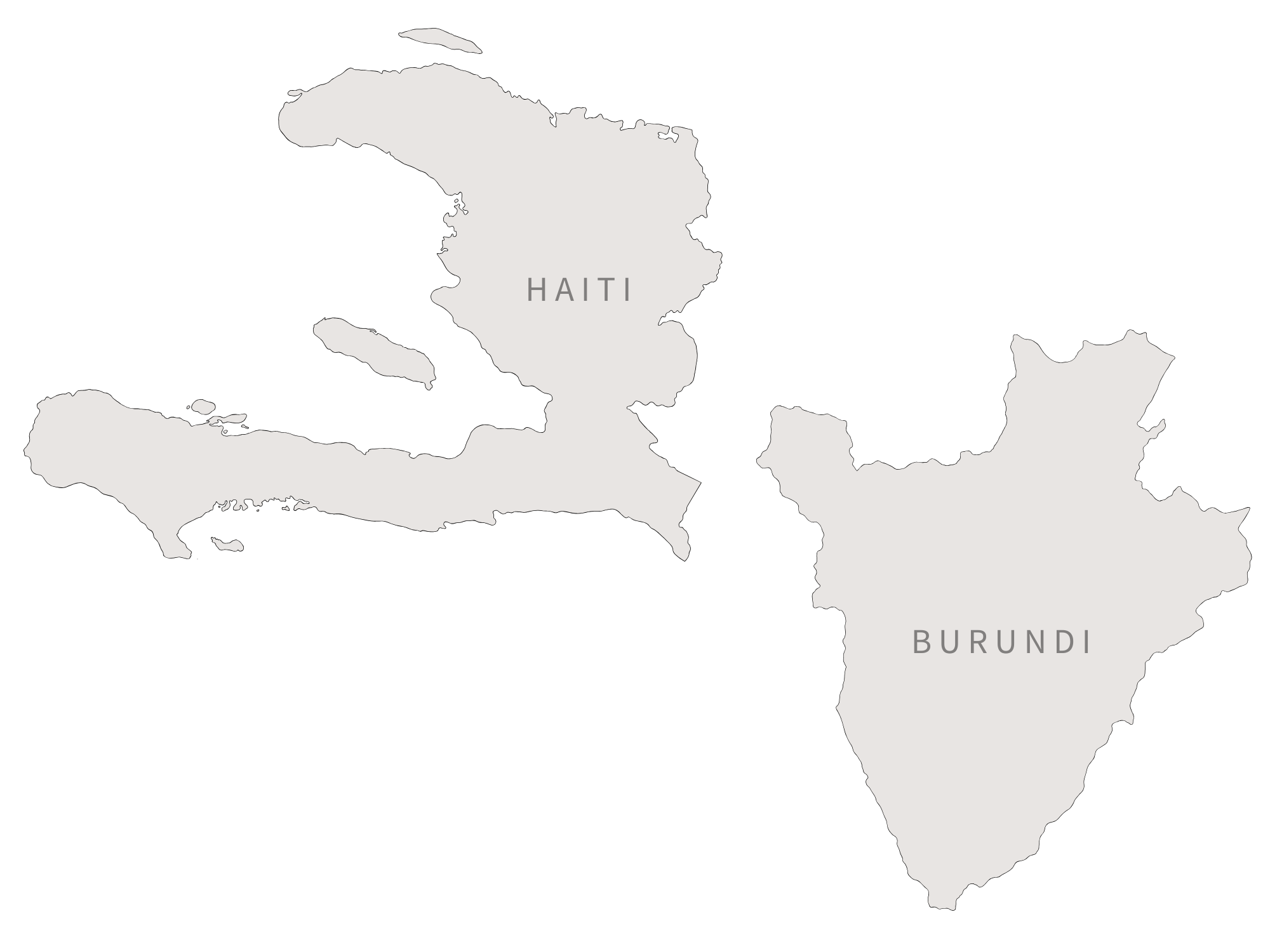
Apart from its efforts in Uganda, Lifeline has nurtured FES markets in:
Haiti (2010 to 2018): Lifeline helped over 50,000 families gain access to fuel-saving stoves by catalyzing the efforts of a local social enterprise to expand its production and distribution capacity.
Burundi (2016 to 2021): Lifeline spearheaded an effort to help incubate a private FES market that resulted in some 95,000 families gaining access to improved cook-stoves.
Institutional Stoves
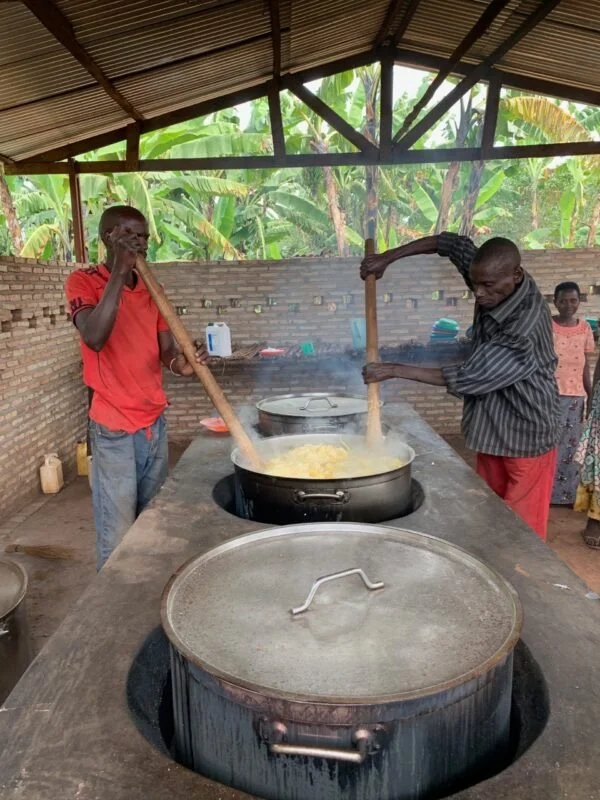
For the past 18 years, Lifeline has been producing and marketing fuel saving institutional stoves for usage by schools, health centers and other institutions, where cooks had been preparing meals over a 3-stone fire.
To date, Lifeline efforts have resulted in the installation of over 1,500 institutional stoves in Uganda, Burundi and Haiti, which together have provided meals for about 300,000 students and teachers.
For the institutions that use these stoves, the benefits vastly exceed their modest price tag:
-

A reduction of 60% in the amount of wood needed for cooking
-

A savings of $800 per year <br/>in fuel costs
-

An average 40-ton decrease in annual carbon emissions
WFP Partnership in Karamoja
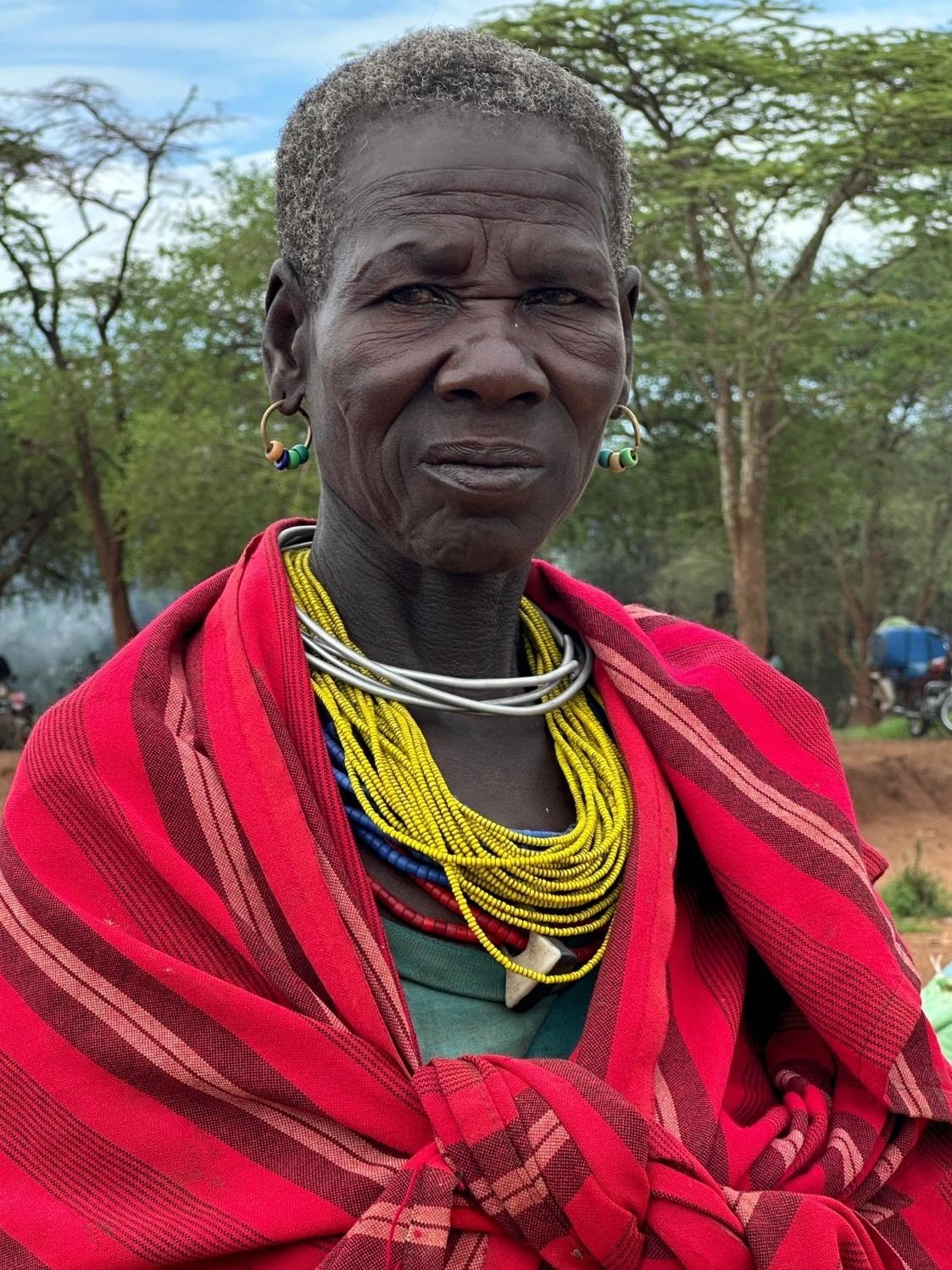
Over the past year, Lifeline partnered with the World Food Program to install its improved institutional stoves in 65 primary schools in Karamoja – Uganda’s most impoverished region and so under-resourced that many schools have been relying on the labor of children to fill their firewood needs.
Humanitarian Stoves
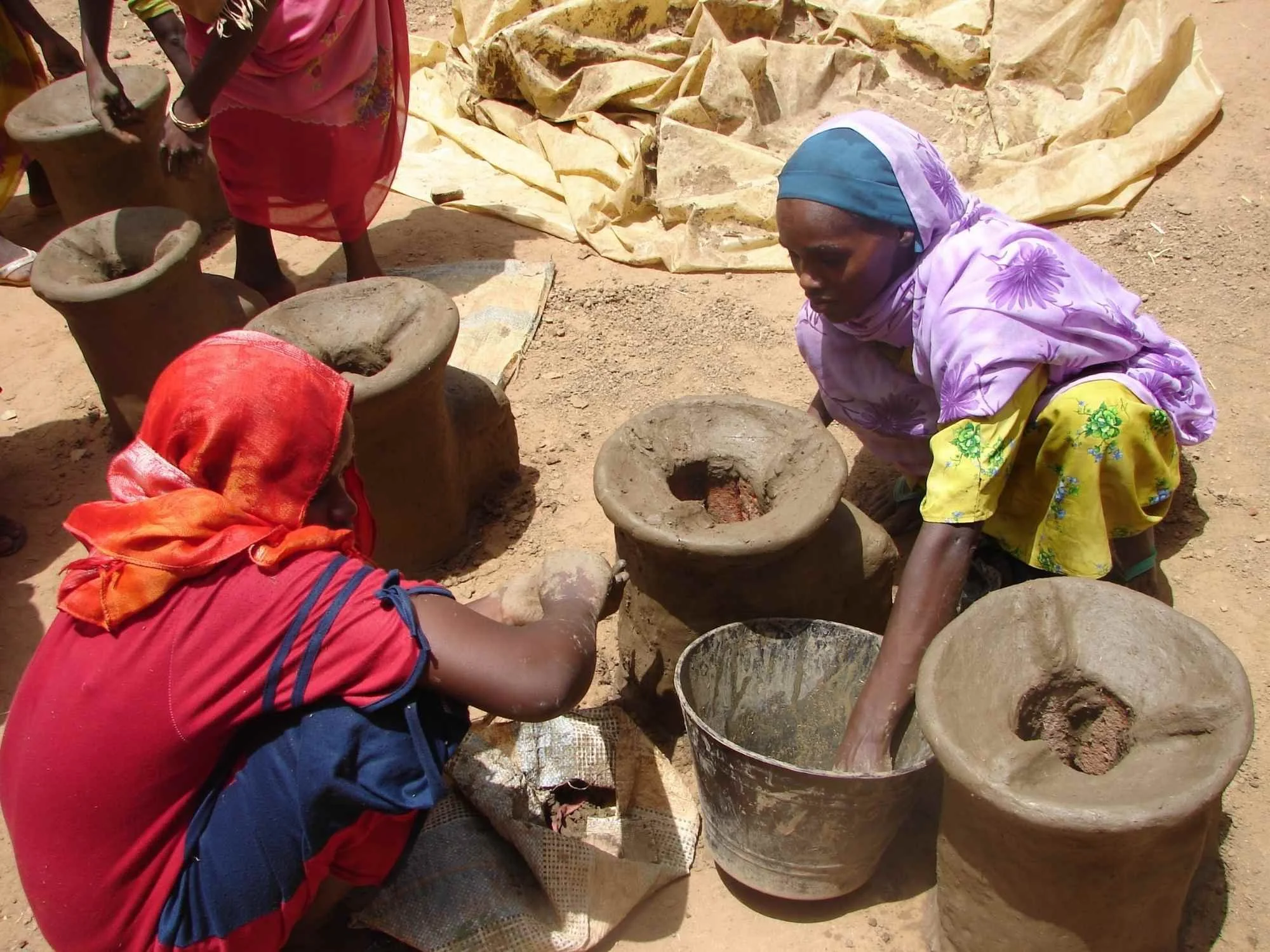
Nowhere are the problems associated with wood-fuel scarcity more acute than in refugee settings.
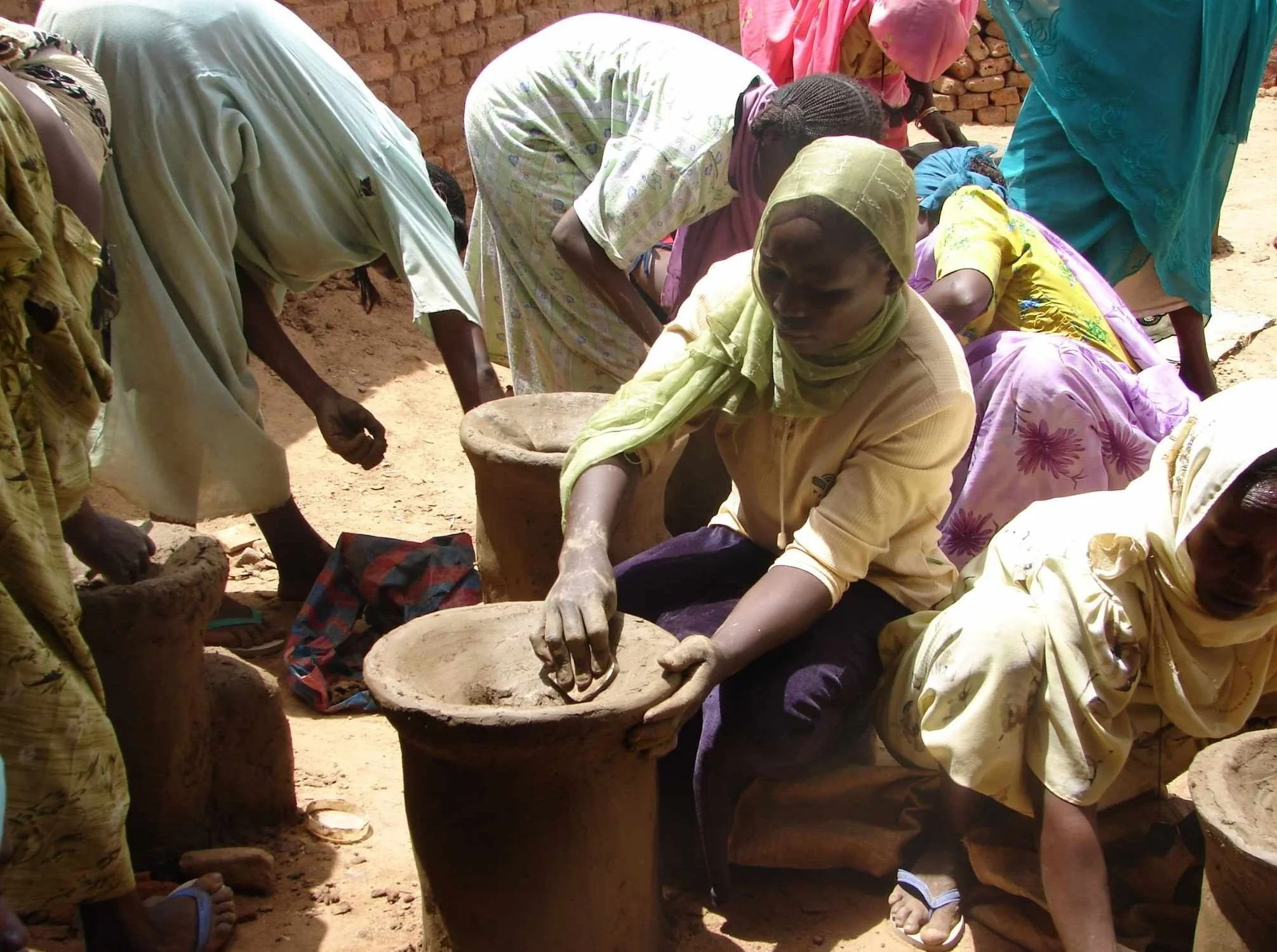
Since 2006 when it established its maiden programs in Darfur and Northern Uganda, Lifeline has been promoting the use of fuel-efficient stoves (“FES”) to relieve the plight of individuals displaced by violence and natural disaster.
As a result of Lifeline’s efforts, approximately one million refugees and internally displaced persons (IDPs) have benefitted, including:
0
South Sudanese families who fled to Northern Uganda (2017-19)
0
Families displaced by a devastating earthquake in Haiti (2009-11)
0
Somalian and Ethiopian families who fled to Northeast Kenya (2008-10)
0
Families displaced by ethnic violence in Darfur (2006-08)

Technical Support
Widely recognized as one of the few “go-to” agencies for implementing FES interventions in crisis affected areas, Lifeline has been frequently called upon by the UNHCR, WFP, US AID and other relief agencies for technical advice and support in addressing wood-fuel scarcity problems.